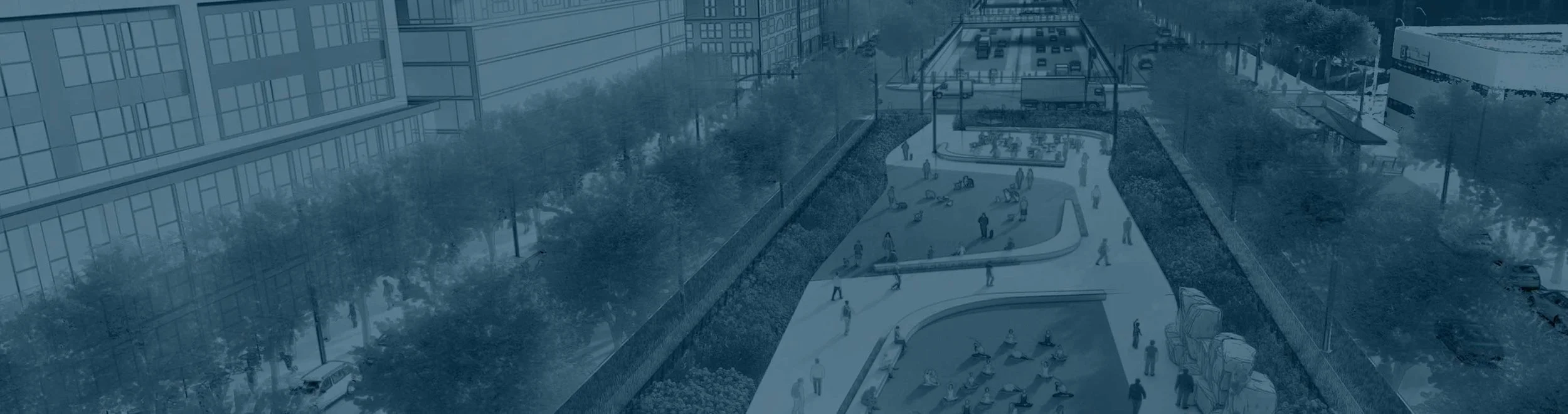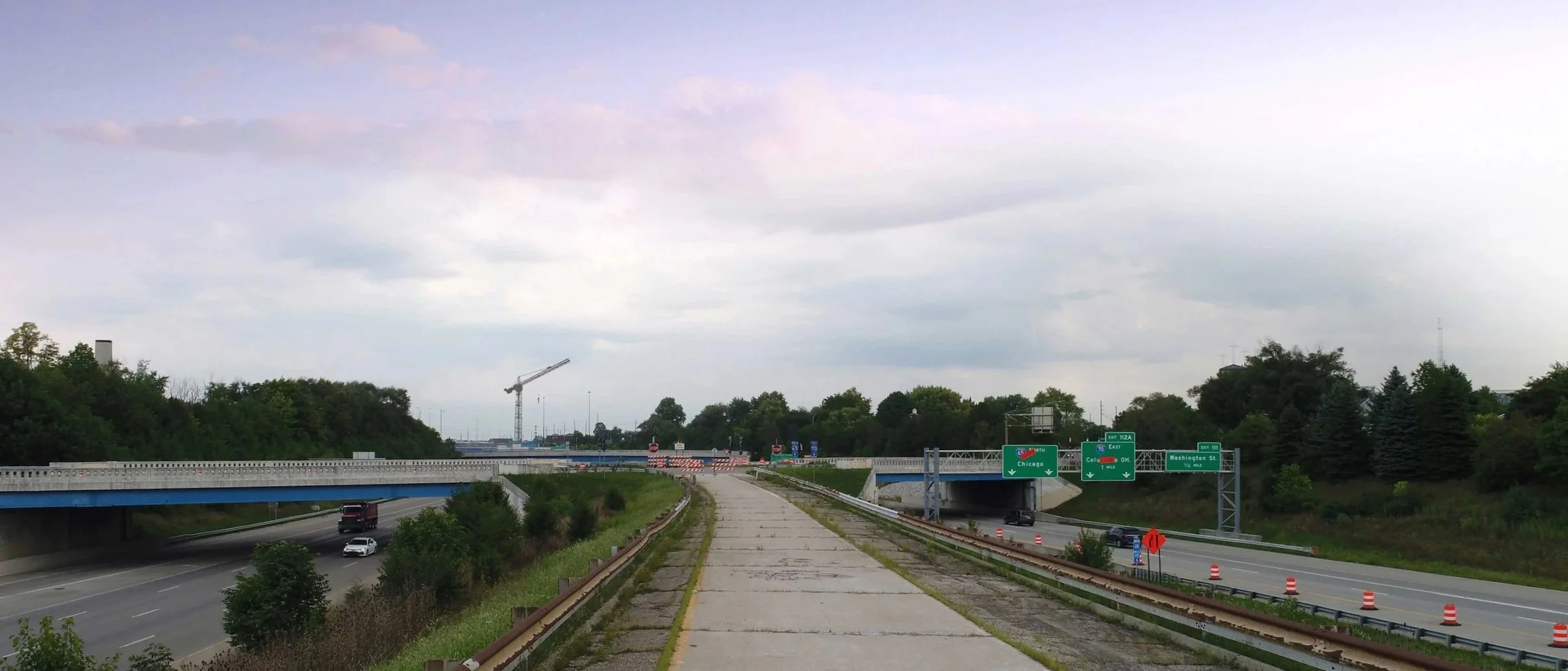
The current design
of I-65/I-70
creates major problems
Half a century
out of date
The interstates were built more than 50 years ago, and it's not just the concrete that's failing. The outdated 1960s design doesn't meet the needs of Indianapolis or the State of Indiana in the 21st century.
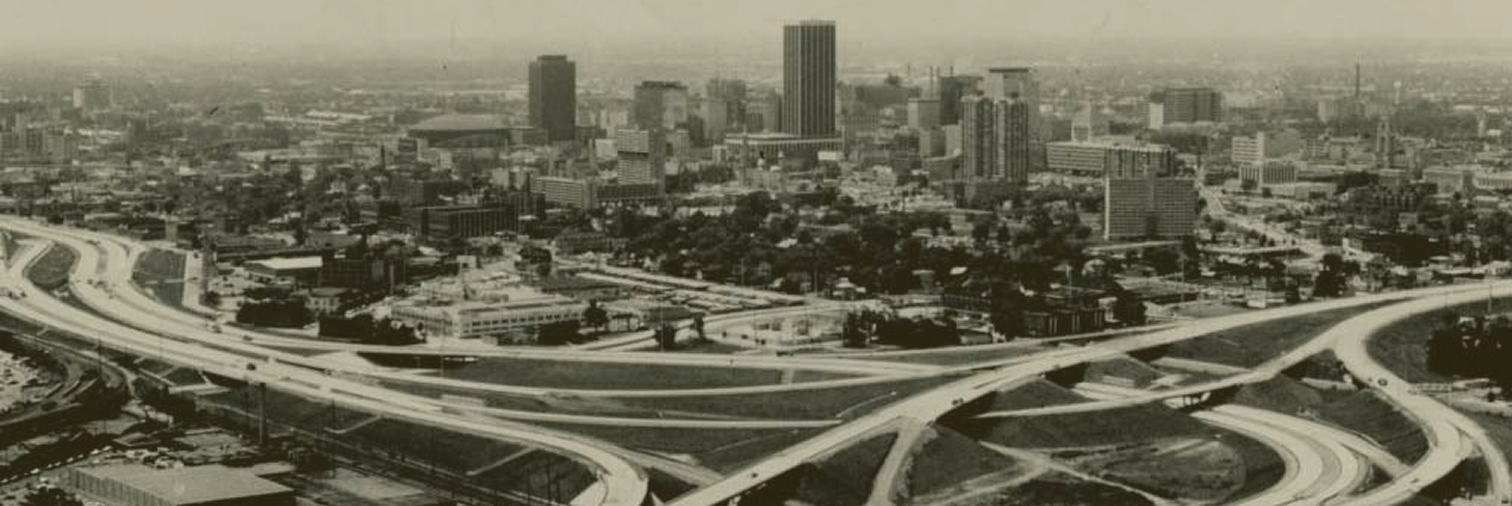
Photo: Bass Photo Co. Collection, Indiana Historical Society (1975)
Problems created by the
1960s interstates
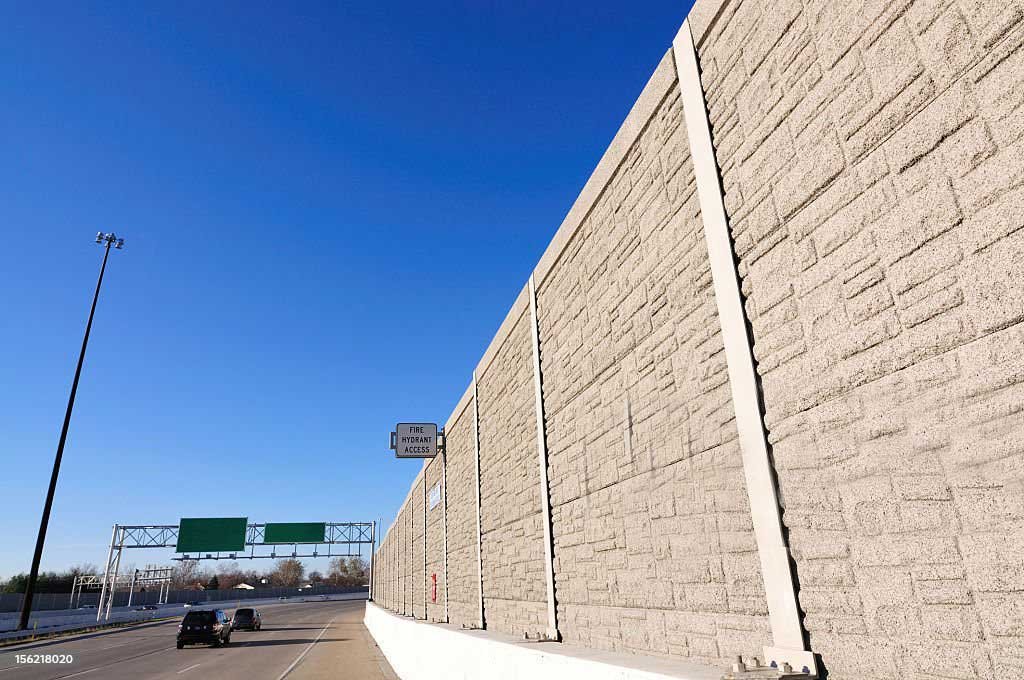
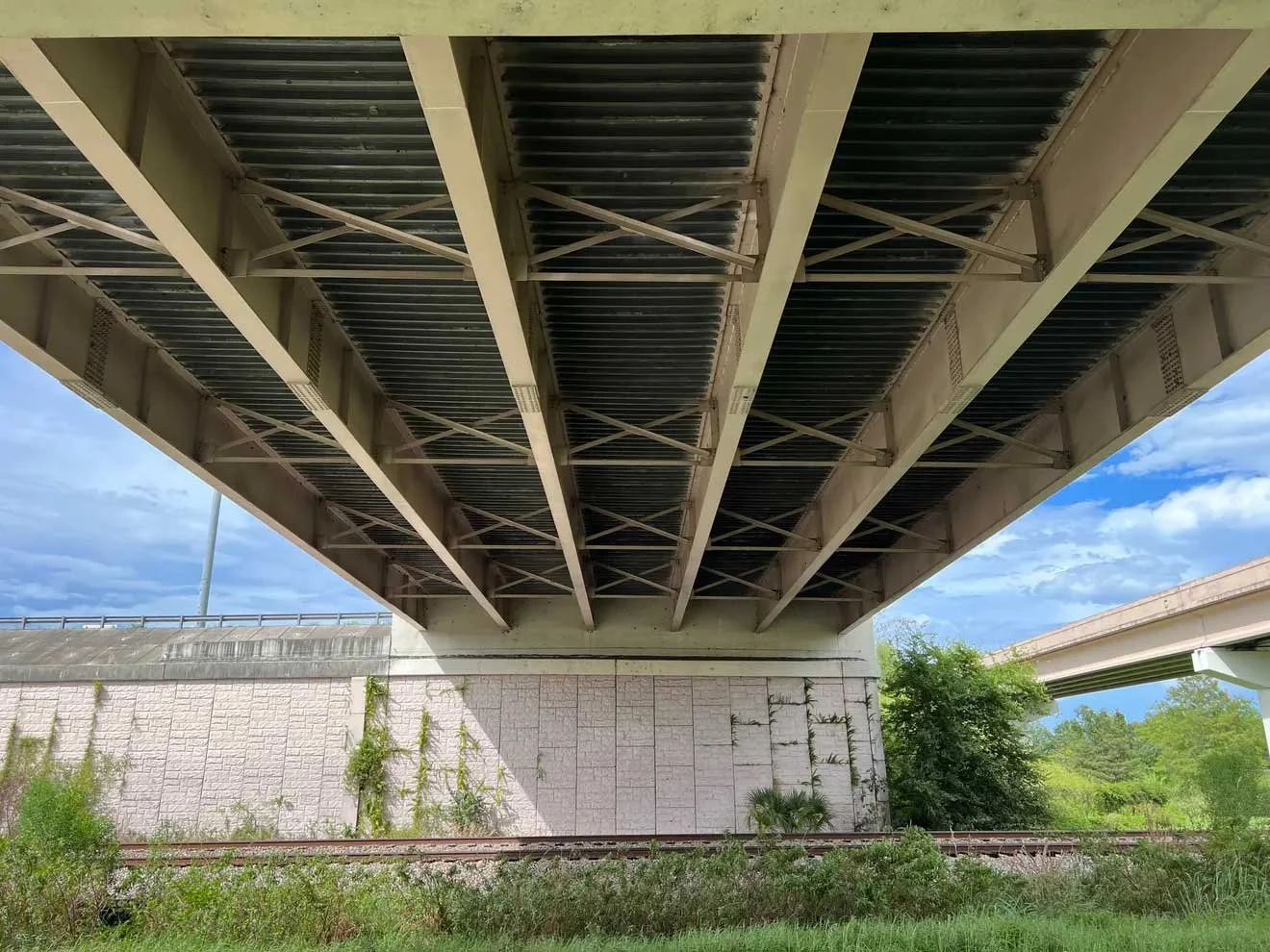
Physical barriers
The interstates cut through communities, dividing up neighborhoods and fostering a sense of isolation and disconnection.
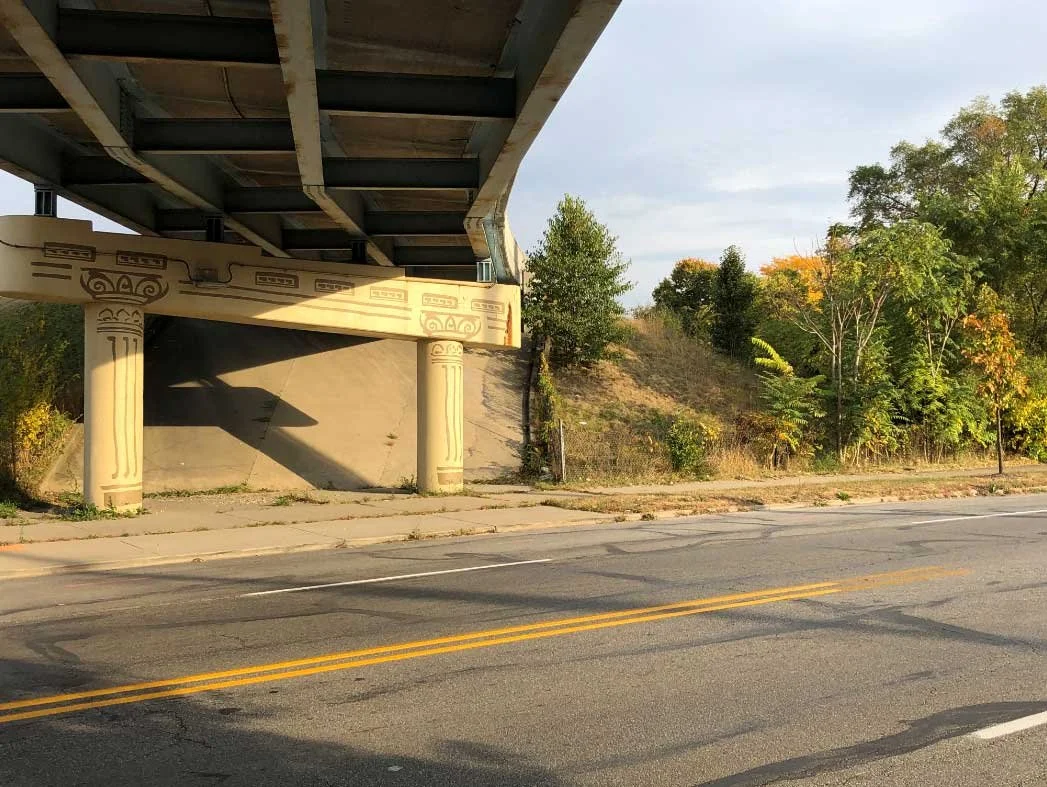
Perceived barriers and dead zones
The elevated interstates create perceived barriers even where bridges and underpasses exist. Crossing over or under the interstates feels unwelcoming and can be dangerous.
Economic loss
The elevated interstates create dead zones for investment and development, stunting economic growth near the interstates.
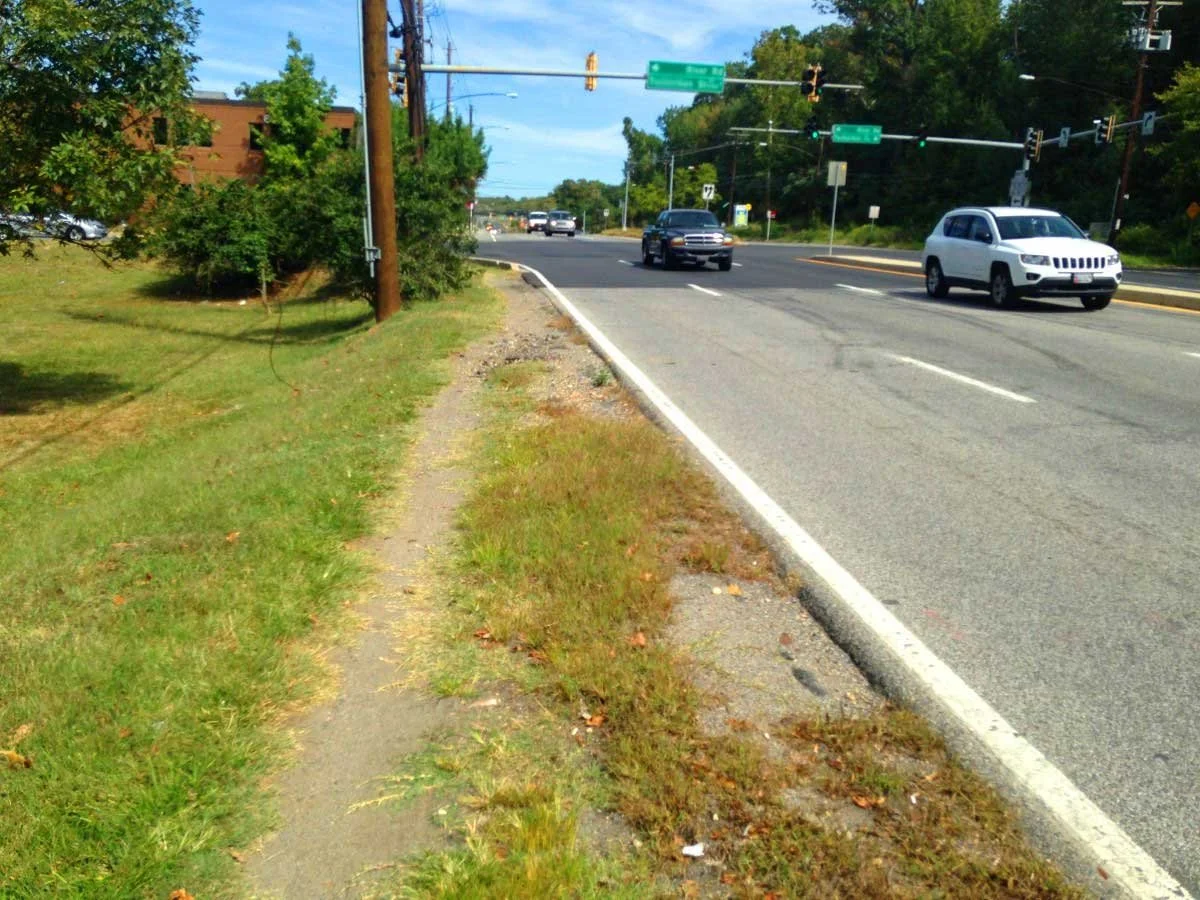
Cars and trucks only
The I-65/I-70 interstates perpetuate a world built for cars and trucks, deprioritizing pedestrian and cyclist safety.

These problems are
not unique to Indiana
But we are in danger of falling behind.
Our 1960’s-mindset infrastructure
undermines Indiana’s competitiveness.
Other cities and states are reimagining their urban interstate infrastructure, and
reaping tremendous benefits.

Dallas, TX
+ $1 billion+ in nearby real estate development
+ $2 million in annual tax revenue increases
+ 300,000 annual park visitors, stimulating local business

Boston, MA
+ $2 billion in private development
+ Tens of thousands of jobs

Denver, CO

+ $200 million in new development
+ Improved local air quality and reduced noise pollution
+ $18 billion expected economic activity by 2040
Cincinnati, OH
+ $2 billion in new development
+ $556 million in economic activity
+ $90 million annual impact
What about modernizing what we have?
In reality:
“modernizing” just means rebuilding as-is.
Modernizing the elevated interstates won’t address the problems.
Modernizing
(aka rebuilding as-is):
Leaves in place the economic and social problems the original design created.

Abandons the investment opportunities a recessed design offers, ultimately leaving billions on the table.
Means that Indiana will fall behind other cities and states rethinking their urban interstates in an effort to remain competitive.
The choice is clear.
We must rebuild right.
Roads built for the 21st century

Billions in economic development
Reconnected communities
In the long run…
the cost to Indiana of rebuilding as-is
will far outweigh
these modern alternatives.

Now is the time
The interstates are nearing the end of their functional lifespan and soon need to be replaced. Important decisions about how to rebuild them are fast approaching.